Partners
Akashi
Akashi, Japan
Partners
All cities where you can do hybrid racing in Japan
Japan is experiencing steady growth in the hybrid racing community, driven by a fitness culture deeply rooted in discipline and perseverance, inherited from martial arts and the Tokyo Marathon. Hybrid sports enthusiasts flock to events, creating a dynamic and inclusive scene. In the global hybrid racing ecosystem, Japan is emerging as a key Asian hub, with rapid adoption since the first official races. Popularity is surging thanks to accessible indoor challenges that align with the Japanese lifestyle focused on endurance and collective fitness. Gyms and training groups are multiplying, fueling rapid evolution that positions the country among Asia's most engaged nations. This momentum reflects hybrid racing's seamless integration into Japan's sports landscape, drawing thousands of regular participants.
Official hybrid racing competitions in Japan are primarily focused in Tokyo, the vibrant capital hosting major events. Osaka and Yokohama have also hosted flagship races, strengthening the national footprint. Iconic competitions include the national editions in Tokyo, which draw thousands of athletes and mark local history with their impressive scale. The track record shows increasing annual frequency, with regular events to meet demand. These gatherings in Tokyo and surrounding areas set participation records, solidifying Japan as fertile ground for hybrid racing. The intense formats in these dynamic cities foster fierce yet communal competition.
Notable Japanese hybrid racing athletes shine with their performances in official competitions. Daiki Kojima stands out as a national champion, winning the title in Tokyo in 2024 with a record time in the pro division. Yuki Tanaka excels among women, finishing 2nd at the Japan Open in 2023 and inspiring a generation with her resilience. Kenji Sato tops the rankings, victorious in Osaka in 2025 and racking up global podiums. These figures boost the local community by motivating group training and sharing strategies on social media. The country's top athletes elevate Japan's level, proving the strength of Japanese talent on the international HYROX stage.
Japan features marked seasonal variations, from cold and humid winters in the east to hot and rainy summers, with occasional typhoons. However, with hybrid racing practiced indoors 99% of the time, climate impact remains limited, as controlled venues maintain optimal conditions. Athletes benefit from a stable environment, avoiding outdoor extremes. To adapt, prioritize hydration in summer despite air conditioning, and enhance warm-ups in winter to counter ambient humidity. Tips include breathable clothing suited to gyms and attention to temperature shifts during travel. This indoor approach minimizes constraints, enabling year-round regular practice in Japan.
Akashi, Japan
Akishima, Japan
Amagasaki, Japan
Ashiya, Japan
Chiba, Japan
Gifu, Japan
Hachinohe, Japan
Hamamatsu, Japan
Ichikawa, Japan
Kawasaki, Japan
Kochi, Japan
Kofu, Japan
Koshigaya, Japan
Kurume, Japan
Kyoto, Japan
Musashino, Japan
Nagaokakyo, Japan

Nagoya, Japan
Okayama, Japan
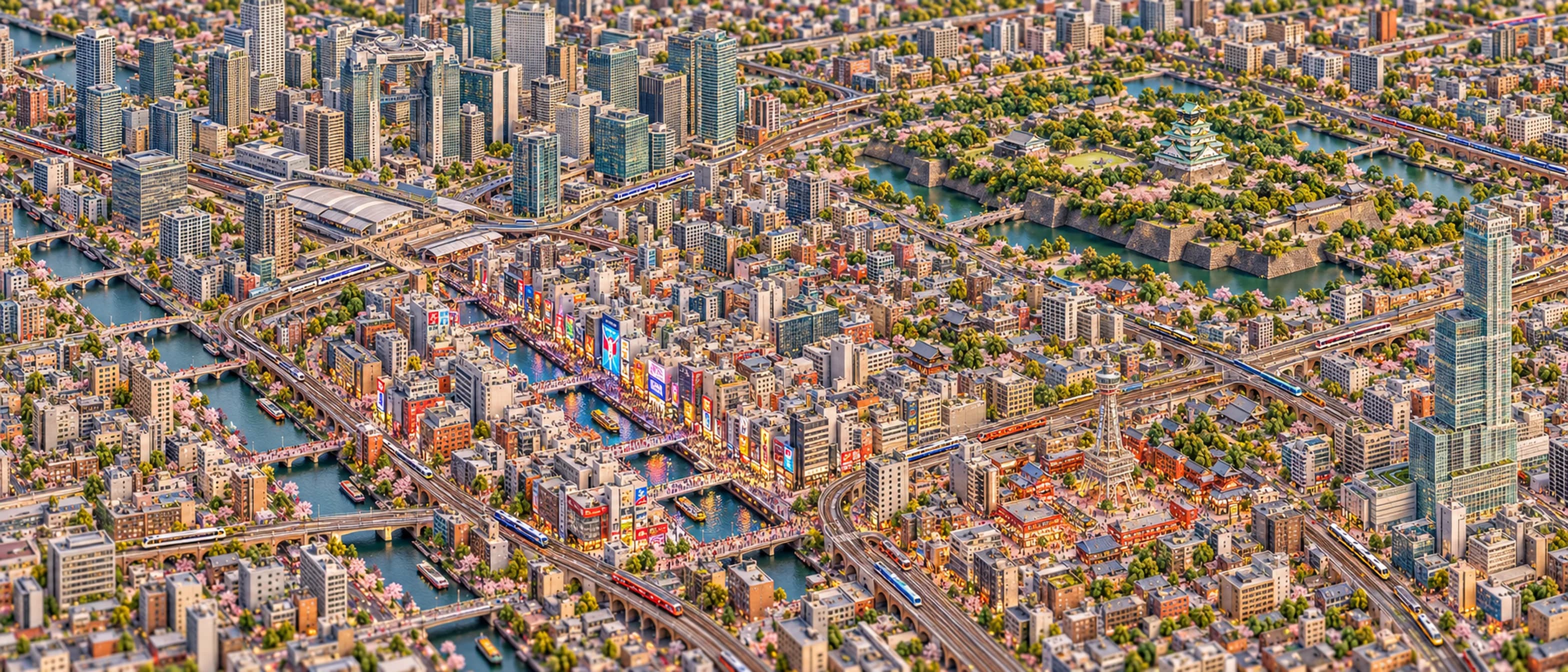
Osaka, Japan
Ritto, Japan
Saga, Japan
Saitama, Japan
Sakai, Japan
Sanda, Japan
Sapporo, Japan
Sendai, Japan
Shizuoka, Japan
Tachikawa, Japan
Takarazuka, Japan
Takatsuki, Japan
Tokyo, Japan
Yokohama, Japan
Yonago, Japan